The Couque de Dinant: the biscuit you don’t bite into
On the Rue Grande in Dinant, there are two shop windows that always make passersby slow down. Inside, you see glossy brown plaques—hard as varnished wood—imprinted with coats of arms, roosters, saxophones, faces, and hunting scenes. These are couques de Dinant. A visitor’s first instinct is to take a bite out of one. That is a bad idea.
You don’t bite into a couque de Dinant. You suck on it patiently, like a hard candy; it has claimed more than one dental filling. It is likely the only Belgian culinary specialty that comes with a dental warning—and it is also one of the oldest and most stubbornly artisanal.
Located just fifteen minutes from the Bungalows du Bonsoy, it deserves better than a rushed purchase squeezed in between sightseeing stops.
Two ingredients, not one more
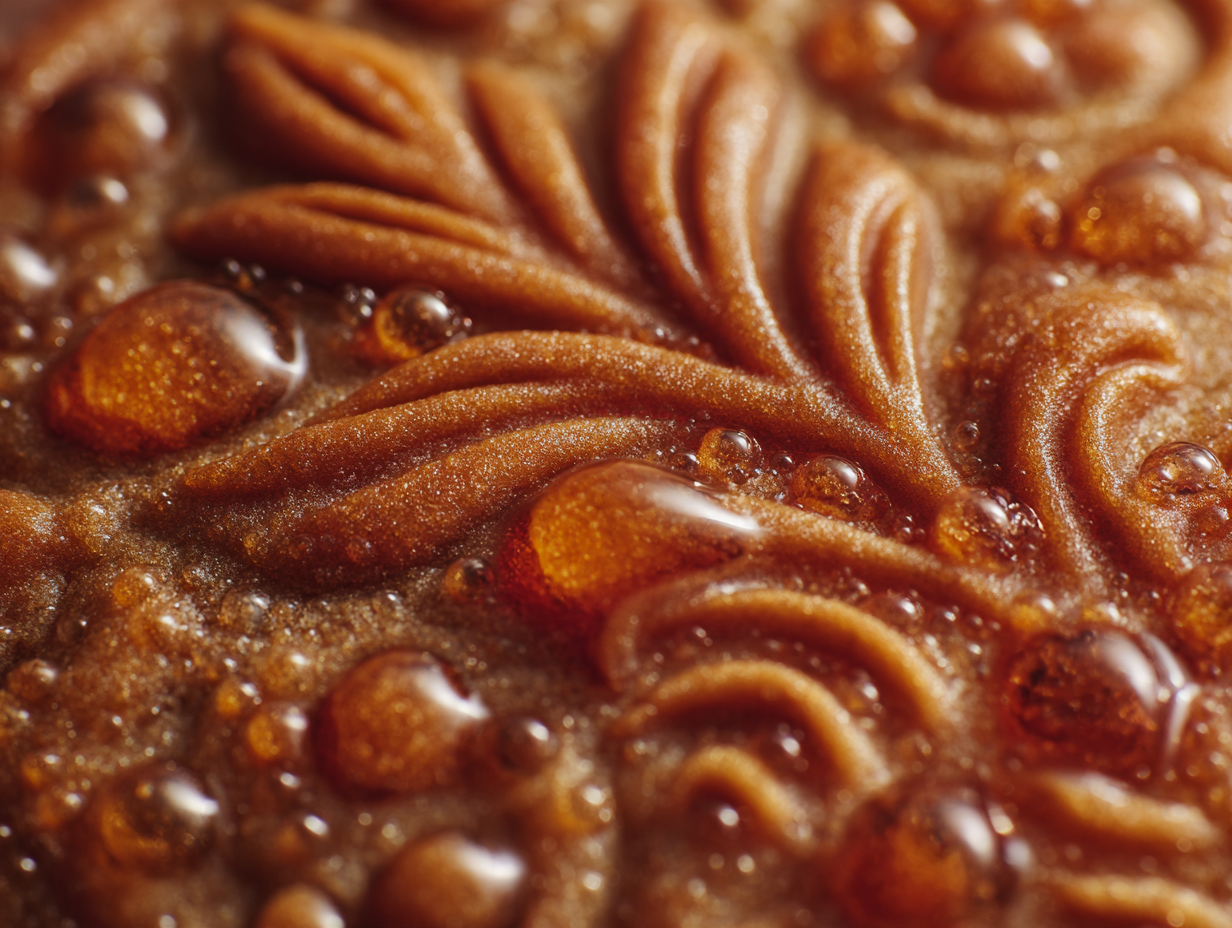
The traditional recipe fits on a single line: wheat flour and honey. No butter, no eggs, no yeast, no water. Some producers nowadays add a little sugar, but the principle remains the same: an extremely dense dough—almost impossible to work by hand—that is pressed into a mold and baked at a very high temperature.
It is this intense baking process that makes all the difference. The honey caramelizes deeply, the dough takes on a mahogany hue, and as it cools, the couque hardens like hard candy. Containing neither fat nor free water, it neither goes rancid nor grows mold; a couque can be kept for years. This is also why they were once given as travel gifts, and why some families keep them—framed—without ever eating them.
“Mind your teeth: you don’t bite into a couque de Dinant; you suck on it.” That warning appears in black and white on the official VISITWallonia information sheet. It’s not just a bit of marketing flair.
And the couque de Rins?
If your jaws give up, ask for a Couque de Rins. It is the tender version: sugar is added, preventing full caramelization and resulting in a soft biscuit closer to gingerbread. Children almost always prefer it. Purists will tell you it isn’t the same thing—they are right, but it doesn’t matter.
The mold: a true work of craftsmanship
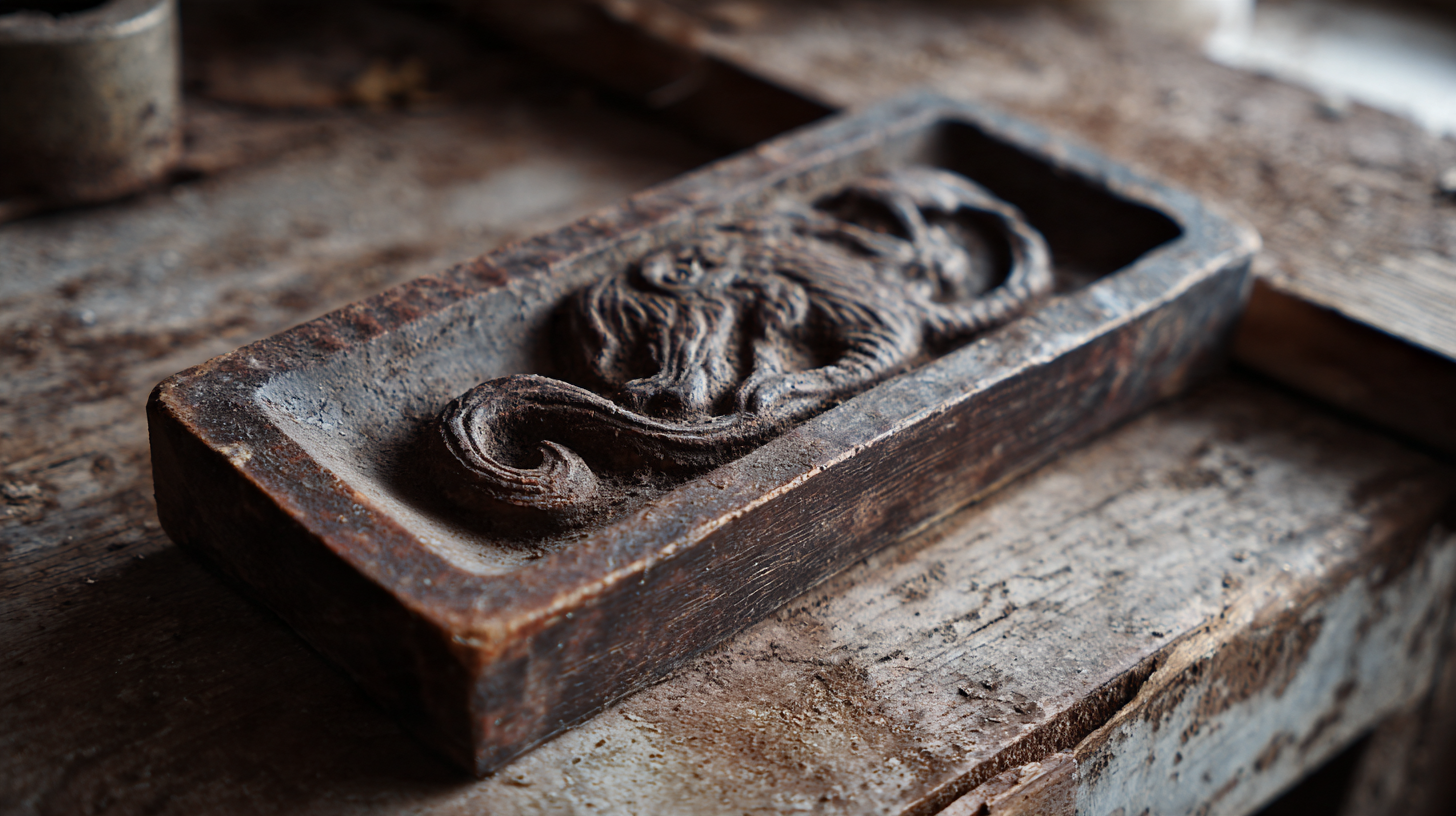
We celebrate the biscuit, but we should really celebrate the mold. Each *couque* is pressed into a hand-carved wooden mold—made of pear, walnut, or beech, all fine-grained hardwoods. The design is carved in negative and in reverse so that it appears the right way round on the biscuit. It is the work of an engraver, not a pastry chef.
Some of the molds still in use in Dinant date back to the 18th and 19th centuries. They have stamped tens of thousands of *couques*, and the wood has become polished to the point of turning almost black. Others are commissioned on a case-by-case basis: a municipal coat of arms, a company logo, or a portrait of a newlywed couple. In its own way, the *couque de Dinant* serves as a medium for printing before it is a treat.
- Woods used: primarily pearwood, as well as walnut and beech.
- Carving: intaglio and reversed, entirely by hand.
- Traditional motifs: animals, saints, hunting scenes, coats of arms, figures, floral patterns.
- Lifespan: several centuries, if the wood is properly maintained.
No, it didn’t originate during the siege of 1466
You will hear the same story everywhere. In 1466, Charles the Bold besieged and razed Dinant; the starving inhabitants had nothing left but honey and flour, so they made a dough, baked it, and invented the couque. It is a fine tale. But it is not history.
Heritage institutions here are remarkably clear on this point: the Province of Liège, the Museum of Walloon Life, and the City of Dinant itself describe this story as a “fanciful legend.” Molded honey cakes have existed in Northern Europe for a very long time—long before 1466—and the Dinant specialty has a much simpler explanation: Dinant was a Meuse-region trading town connected to honey and spice routes, and it possessed a metalworking tradition—the famous dinanderie—that naturally branched out into mold-making.
The true story is less spectacular, but it has the advantage of being verifiable. And it aligns with what we previously recounted regarding the Meuse as a commercial artery of Europe: this river carried goods long before it carried tourists.
Where and from whom to buy them
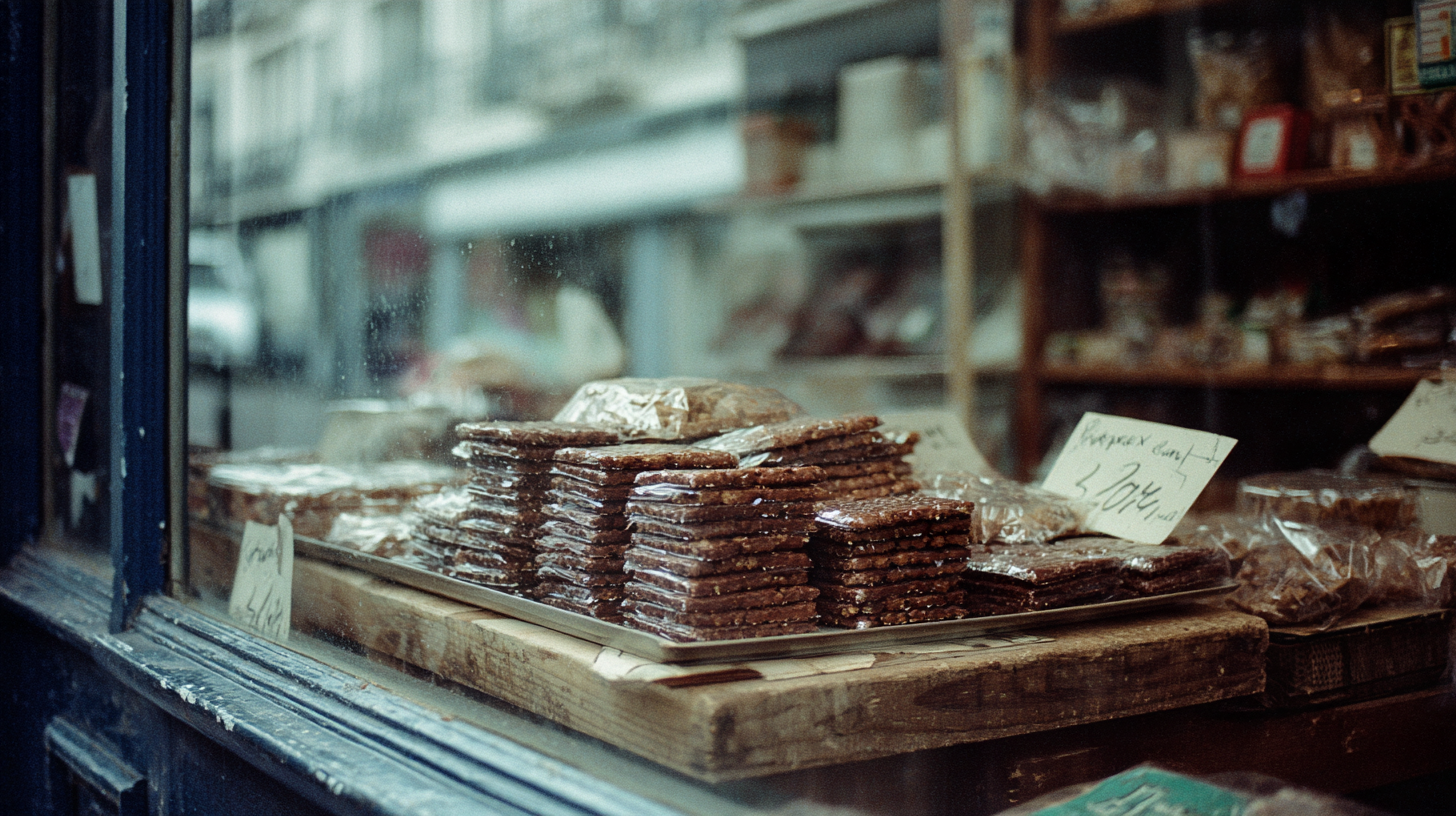
Two historic establishments still produce the couque in the center of Dinant, located just a few dozen meters apart on the same street.
Maison Jacobs — 147 Rue Grande
The Jacobs family has been carrying on production since 1860, passing the craft down from father to son. This establishment places the greatest emphasis on the visitor experience: the old workshop is located upstairs—featuring kneading troughs, presses, and a collection of antique molds—and a film lasting about fifteen minutes is screened, showcasing the product’s history and the craftsmanship involved. A tasting room rounds out the experience.
Please note, however, that visits are reserved for groups—ranging from eight to twenty people—and are by appointment only. If visiting as a family or a couple, you can simply step into the shop and leave with your couques, which is still a great option. A quick phone call beforehand will save you from disappointment.
Maison Collard — 72 Rue Grande
The sign displays the year 1774, making it one of the city’s oldest establishments. Here, you will find couques de Dinant and couques de Rins, but—above all—the Dinant flamiche, a specialty of the house. The flamiche is a cheese tart served piping hot; local tradition dictates that it be eaten with a fork and spoon—never a knife. Two Dinant specialties in a single stop: it doesn’t get more efficient than that.
A gourmet day in Dinant
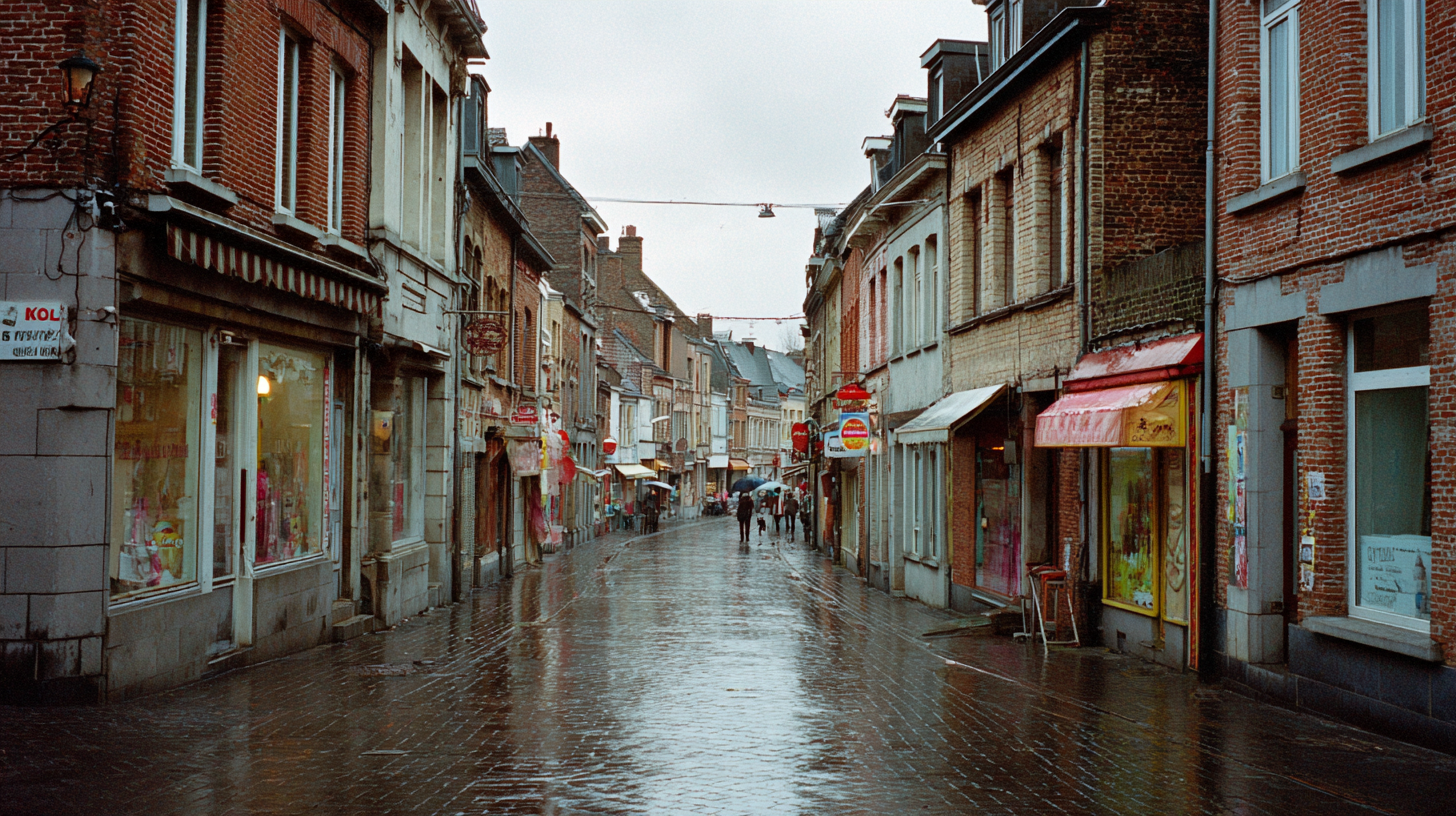
- Morning. Arrive in Dinant around 10 a.m. and park along the Meuse River (left bank). Walk up to the Collegiate Church, then take a leisurely stroll up Rue Grande—this is where the two couque shops are located, and it’s also the best time to chat with the shopkeepers before the crowds arrive.
- Midday. Enjoy some Flamiche dinantaise or have lunch on a terrace facing the Bayard Rock—we’ve shared the legend behind it here.
- Afternoon. La Maison de Monsieur Sax (Mr. Sax’s House) is just a five-minute walk away, and admission is free. To continue the local experience, head to the Caracole Brewery in Falmignoul—about fifteen minutes away—where they still brew beer over a wood fire.
- Evening. Return to Le Bonsoy. A couque, a coffee, and the realization that it will take a good twenty minutes to finish eating it.
Practical Information
Couques Jacobs
- Address: Rue Grande 147, 5500 Dinant
- Telephone: +32 82 22 21 39
- Email: patisseriejacobs@gmail.com
- Opening hours: Generally Monday to Saturday, 8:00 AM to 7:00 PM. Please call before visiting, as bakery hours may vary.
- Visits: Groups of 8 to 20 people, by appointment only; tours conducted in French. Includes an explanatory video and a tasting area.
- Facilities: Shop, café, and parking for cars, two-wheelers, and coaches.
Couques de Dinant V. Collard (since 1774)
- Address : Rue Grande 72, 5500 Dinant
- Specialties: shells of Dinant, shells of Rins, flamiche dinantasise
Landmarks
- Distance from Domaine du Bonsoy: approximately 12 km, or 15 to 20 minutes by car.
- Price: a small *couque* costs just a few euros; large, decorative pieces sculpted to order are significantly more expensive.
- Storage: lasts for several years if kept away from moisture. Store in a dry place; never keep in the refrigerator.
- Tip: to soften it slightly, some locals place it near a gentle heat source for a few minutes. Do so at your own risk.
To take back to your bungalow
The couque de Dinant is a serious souvenir: it doesn’t melt, get crushed, or go bad, and it tells a story. It is also—let’s be honest—an excellent excuse to end your stay with a stop in town rather than heading straight for the highway.
If you are looking for accommodation you’ll love returning to with a bag of local goodies, Serenity is arguably the best choice: its open-plan kitchen and peaceful atmosphere make it the perfect spot to wind down at the end of the day with no set plans. We’ve gathered our other foodie recommendations in our culinary guide to the Meuse Valley, and our top picks for beer lovers in our article dedicated to Maredsous.
Autumn in the Haute-Meuse region has a distinct advantage: the streets of Dinant empty out, shopkeepers have time to chat, and you finally understand why this impossibly hard biscuit has endured for centuries. Book your stay at Domaine du Bonsoy and come risk breaking a tooth—fully aware of what you’re getting into.