Treignes: One hundred thousand years of humanity at the Musée du Malgré-Tout
Some museum names intrigue you before you even step through the door. “Malgré-Tout” (meaning “In Spite of Everything”)—one imagines a motto, an act of persistence, perhaps even a form of vindication. The reality is even more beautiful: it is the name of the specific locality where the first excavations took place, and it came to embody the spirit of the institution—searching, unearthing, and understanding, in spite of everything.
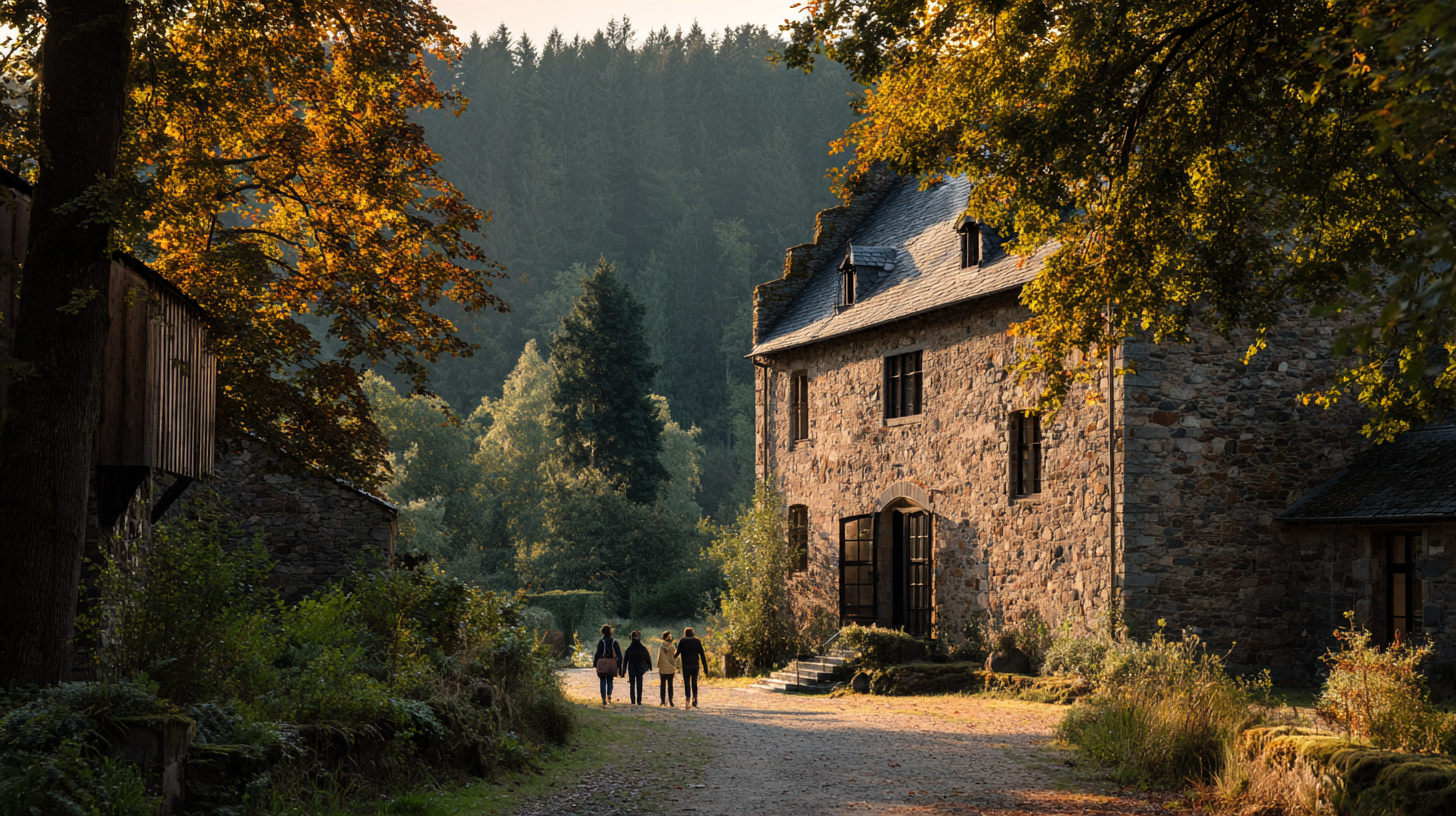
In Treignes—a small village in the Viroinval region known as the “village of museums”—the Musée du Malgré-Tout chronicles the human history of the Entre-Sambre-et-Meuse area, spanning from the time of Neanderthals to the end of the Gallo-Roman era. Behind the building lies a park featuring full-scale reconstructions of early European dwellings. Meanwhile, the museum’s temporary exhibition galleries are currently hosting its hundredth exhibition, which runs until November 13, 2026.
All this is just a 30-minute drive from the Bungalows du Bonsoy. In short, it makes for an ideal autumn outing: an indoor activity that is fascinating and perfectly suited to a family half-day trip.
An archaeology museum born from a researchers’ association
The Musée du Malgré-Tout is run by Cedarc, a non-profit centre for archaeological study and documentation. This makes all the difference: you are not looking at a mere decorative display, but at the results of actual excavations conducted in the region—findings that have been published and discussed. The museum also houses a documentation centre, a scientific library, and its own publishing arm.
The permanent exhibition is dedicated to the art and archaeology of Prehistory and Antiquity. It traces a journey back in time: the first inhabitants of our valleys—Paleolithic hunter-gatherers and the Neanderthals, of whom the Entre-Sambre-et-Meuse region has yielded so many traces—followed by farming societies, and finally, the enduring Gallo-Roman legacy.
A successful archaeology museum does not merely show you objects; it reveals human actions. A retouched blade, a mammoth molar, a setting stone—and suddenly, you realize someone lived there.
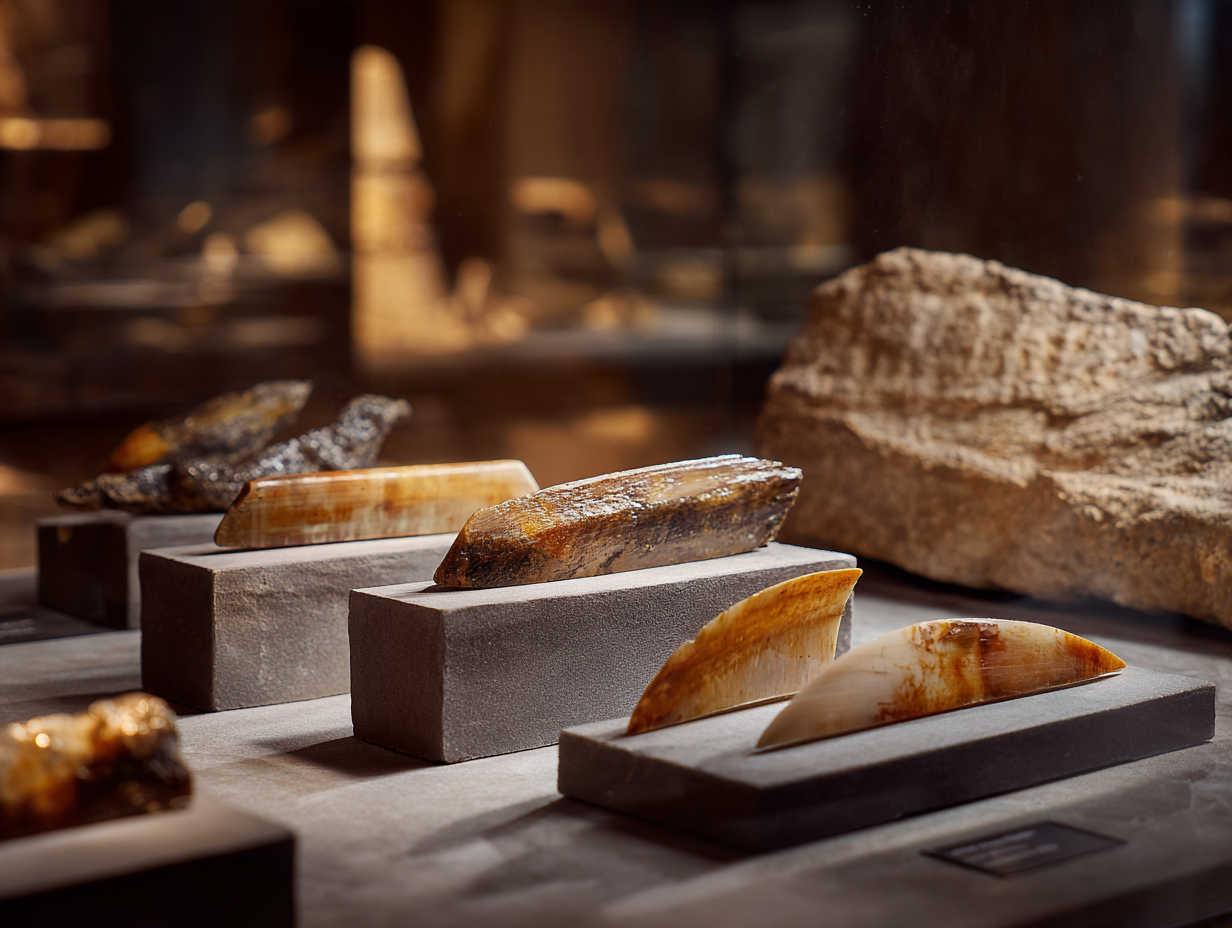
The “Object of the Month” is a fine illustration of this connection: a mammoth molar unearthed at the Trou du Poilu site in Petigny, in the municipality of Couvin, about twenty kilometers from Treignes. Here, the mammoth is not merely an abstract concept from a textbook; it once walked through our valleys.
The Prehistory Park: six open-air habitat reconstructions
Behind the museum lies what many visitors consider the highlight of the visit: the Prehistory Park. Six open-air reconstructions of Paleolithic dwellings have been built here, based on floor plans recorded during European excavations and available ethnographic comparisons.
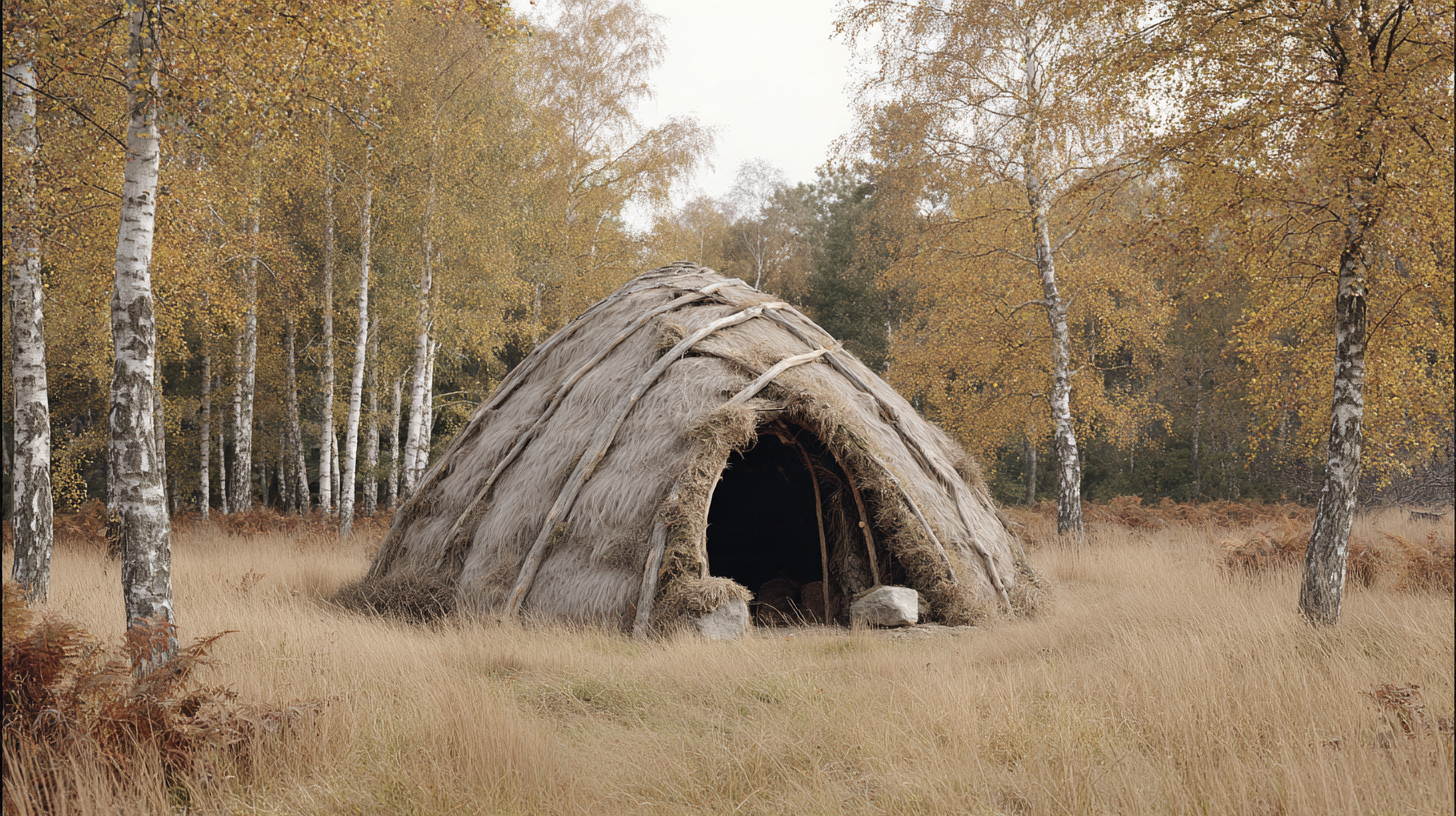
The six sites represented span an immense range:
- Pont-de-Lavaud, in Eguzon (Indre) — 1,200,000 years
- Cerisier, in Dordogne — 18,000 years
- Mezhirich, in Ukraine — 16,000 years
- Plateau Parrain, in Dordogne — 15,500 years
- Gönnersdorf, in the Rhineland — 12,700 years
- Le Closeau, in Hauts-de-Seine — 12,500 years
The museum is refreshingly honest about the nature of this work: it speaks of evocations rather than reconstructions. The unknown—and therefore the imagination—plays a significant role. This is precisely what makes the tour so fascinating: you aren’t being sold a certainty; instead, you are shown a hypothesis and the evidence upon which it rests.
The Closeau dwelling was reconstructed during the 2016 Archaeology Festival; the Gönnersdorf and Pont-de-Lavaud structures are the subjects of ongoing projects that visitors can sometimes catch in action. Watching a team lash poles together and stretch hides is worth more than all the explanatory signs in the world.
“Égypte Pluri’elles”: the 100th temporary exhibition
Since 1984, the Musée du Malgré-Tout has organized two temporary exhibitions a year. The 100th edition is currently on display, and it is well worth a visit.
“Égypte Pluri’elles” (Egypt: Many Facets of Women)—an exhibition exploring ancient Egypt through the female experience—runs from April 26 to November 13, 2026. The aim? To look beyond queens and goddesses and focus on women who are rarely discussed: mistresses of the household, craftswomen, and priestesses. These are the women who shaped Pharaonic society by bridging the domestic, sacred, political, and economic spheres.
More than one hundred archaeological artifacts reveal the diverse statuses, roles, and life paths of these “eternal women of the Nile,” spanning from the Predynastic period to the Greco-Roman era. It is a unique approach—and an excellent reason to plan your visit before mid-November.
A visit designed for families
The museum is not merely scholarly; it is welcoming—and that is a more difficult feat than it might seem. For children, there are exploration booklets, games, and a library. More than thirty different activities and workshops are offered for visitors of all ages, and family events are organized every weekend, as well as during school holidays and public holidays.
A few practical details parents will appreciate:
- The site is accessible to people with reduced mobility, featuring adapted parking and facilities.
- Pets are welcome—a detail that matters to guests traveling with their dogs.
- The visit lasts one to two hours: the perfect length for a morning or afternoon outing without becoming tedious.
- A shop offers Cédarc publications (starting at €2), plush toys and keychains (from €4), postcards (€0.50), and magnets (from €5).
And for over thirty years, the museum has hosted its Archaeology Festival every Pentecost weekend—something to mark in your calendar if you plan to return in the spring.
2026 Rates and Opening Hours
| Category | Rate |
|---|---|
| Children under 6 | Free |
| Children aged 6 to 18 | €3 |
| Students | €5 |
| Seniors | €5 |
| Adults | €7 |
| First Sunday of the month | Free for everyone |
The museum is open every day: Monday to Friday from 9:30 am to 5:30 pm, and weekends and public holidays from 10:30 am to 6:00 pm. Annual closures: January 1st, and December 24th, 25th, and 31st. Group rates apply for parties of ten or more, and admission is free for school groups from the Wallonia-Brussels Federation.
The museum is also part of the museumPASSmusées network (€59/year for access to over 250 museums) and accepts Article 27, Archéopass, and Educpass.
An ideal day in Treignes and the Viroin region
Morning — the Viroin route
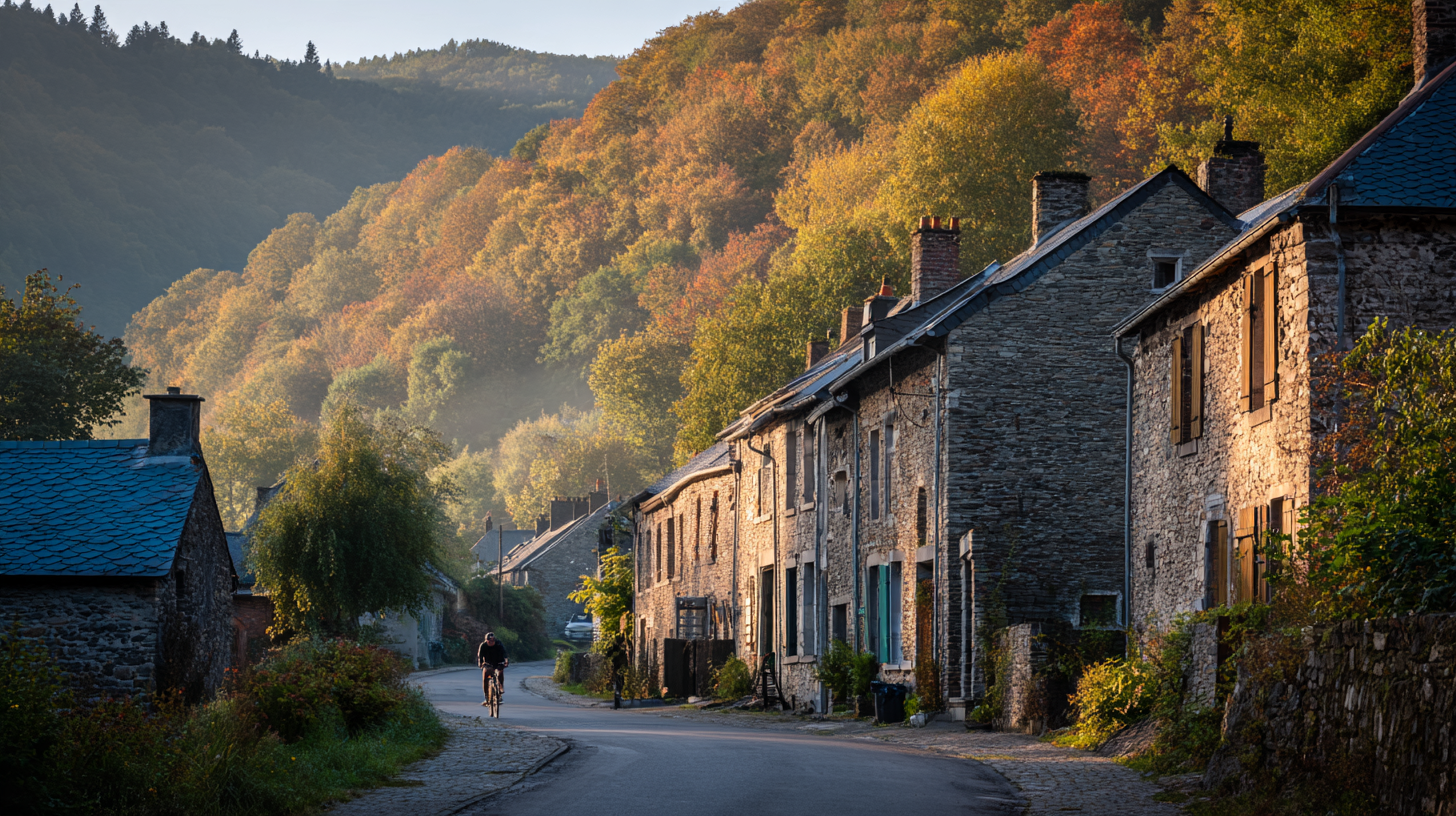
Leave Bonsoy via Hastière and Doische, then head up towards Vierves-sur-Viroin—one of the most beautiful villages in Wallonia, which we recommend driving through at a leisurely pace. Allow about thirty minutes to reach Treignes.
Midday — The museum and its park
Arrive at opening time and start with the permanent collections, then move on to the “Égypte Pluri’elles” exhibition. Save the Prehistory Park for last: children love running from hut to hut there, and the fresh air feels wonderful after an hour spent looking at displays. Since Treignes is known as the “village of museums,” finding a place to have lunch there is easy.
Afternoon — The Viroin Valley: nature or steam train
Two options, depending on your mood. The first is a contemplative choice: head up to the Fondry des Chiens in Nismes—a limestone sinkhole nicknamed the “Belgian Grand Canyon,” where the grasslands take on stunning hues in October. The second is a nostalgic choice: board the Three Valleys steam train, which has its terminus right here in Treignes.
If you are traveling with children who are eager for more, the nearby Espace Arthur Masson offers a chance to extend the day with a completely different experience: a journey back to a Walloon village in the 1930s.
Evening — back to the peaceful estate
The drive back to Hastière takes half an hour. It is the time of day when the valley seems to close in around you, when the season’s first log is lit, and when the children tell anyone who will listen all about the mammoths.
Going further: other traces of the past around Le Bonsoy
The Entre-Sambre-et-Meuse region is an open-air history book, and the Malgré-Tout is just one chapter. The Furfooz Nature Reserve preserves Roman baths and prehistoric caves overlooking a bend in the Lesse River. Closer still, the Romanesque abbey church of Hastière showcases a thousand years of architecture just minutes from the estate. And for nature in its purest form, the wonders of the Viroin perfectly complete the picture.
For this type of weekend—museums by day, a wood fire by night—we recommend Woody, our coziest chalet: the kind of place you return to with rosy cheeks and settle into, never wanting to leave.
Practical Information
- Location: Musée du Malgré-Tout — Prehistory Park (Cedarc non-profit)
- Address: Rue de la Gare 28, 5670 Treignes (Viroinval), Belgium
- Phone: +32 (0)60 39 02 43
- Email: secretariat@cedarc-mmt.be
- Website: museedumalgretout.be
- Opening hours: Every day — Monday to Friday 9:30 AM – 5:30 PM; weekends and public holidays 10:30 AM – 6:00 PM. Closed on Jan 1st and Dec 24th, 25th, and 31st.
- Admission: Adults €7 · Students and seniors €5 · Ages 6–18 €3 · Under 6 free · Free on the first Sunday of the month
- Temporary exhibition: “Égypte Pluri’elles” until November 13, 2026
- Visit duration: 1 to 2 hours
- Accessibility: Parking, facilities for visitors with reduced mobility, pets allowed
- Distance from Bungalows du Bonsoy: Approx. 30 minutes by car
Come see where we come from
You leave the “Malgré-Tout” site with a unique feeling: that of having visited ancient neighbors. They hunted in the same valleys, crossed the same rivers, and sheltered their fires behind the same limestone cliffs. Their reconstructed camp is just a thirty-minute drive from your terrace.
Our three bungalows—Birdy, Woody, and Serenity—welcome you year-round to the heart of the Domaine du Bonsoy in Hastière. Book your autumn getaway and treat your family to a weekend that takes you back in time.