Félicien Rops, the *enfant terrible* of Namur, and his museum
There are days in October when the Meuse is shrouded in mist from the very morning, and one feels a single, compelling urge: to step through the door of a place that smells of old paper and fresh ink. Namur—just an hour or so from Le Bonsoy—is home to such a spot, tucked away on Rue Fumal, in the heart of the old town.
This place bears the name of Félicien Rops—a local son who, in Paris, became one of the most irreverent voices—or, more precisely, one of the most daring drypoint etchers—of the 19th century. Born in Namur on July 7, 1833, and having passed away in Corbeil-Essonnes on August 23, 1898, he was a friend of Baudelaire, a regular at Mallarmé’s Tuesday gatherings, and an illustrator for the works of Barbey d’Aurevilly and Verlaine. His provincial museum, housed in a townhouse in this city along the Meuse, pays tribute to him today in a manner befitting his talent: sensitive, erudite, and delightfully irreverent.
For those rainy days in the Ardennes—of which there are many in November, and all the better for it—here is an invitation to embark on a journey, lasting a few hours, into the soul of an artist whom Namur proudly claims as its own.
A Namur Native Conquers Paris
Rops is not the kind of artist one simply stumbles upon in a gallery without needing to understand the context. A native of Namur, he received his early training there before moving to the French capital, where he would spend the greater part of his life, immersed in the literary and artistic circles of the fin de siècle. It was there that he struck up a friendship with Charles Baudelaire—for whom he designed the frontispiece for Les Épaves—and became a regular at the famous mardis (Tuesday gatherings) hosted by Stéphane Mallarmé, whose Poésies he would later illustrate in 1895.
Bridging realism and symbolism, satire and dreams, Rops transformed the medium of engraving into a realm of absolute freedom.
His name remains linked to symbolism and the fin de siècle decadent movement, associated with works that have never ceased to spark controversy—such as Pornokratès (1878) or his Sataniques series. His frontispieces for Verlaine (Chair, 1896) and Barbey d’Aurevilly (Les Diaboliques) firmly establish his position at the crossroads of literature and visual art. He is even considered a pioneer of the Belgian comic strip—a detail that adds an intriguing layer to a family outing.
The Museum on Rue Fumal: Elegance Tucked Away in an Alleyway
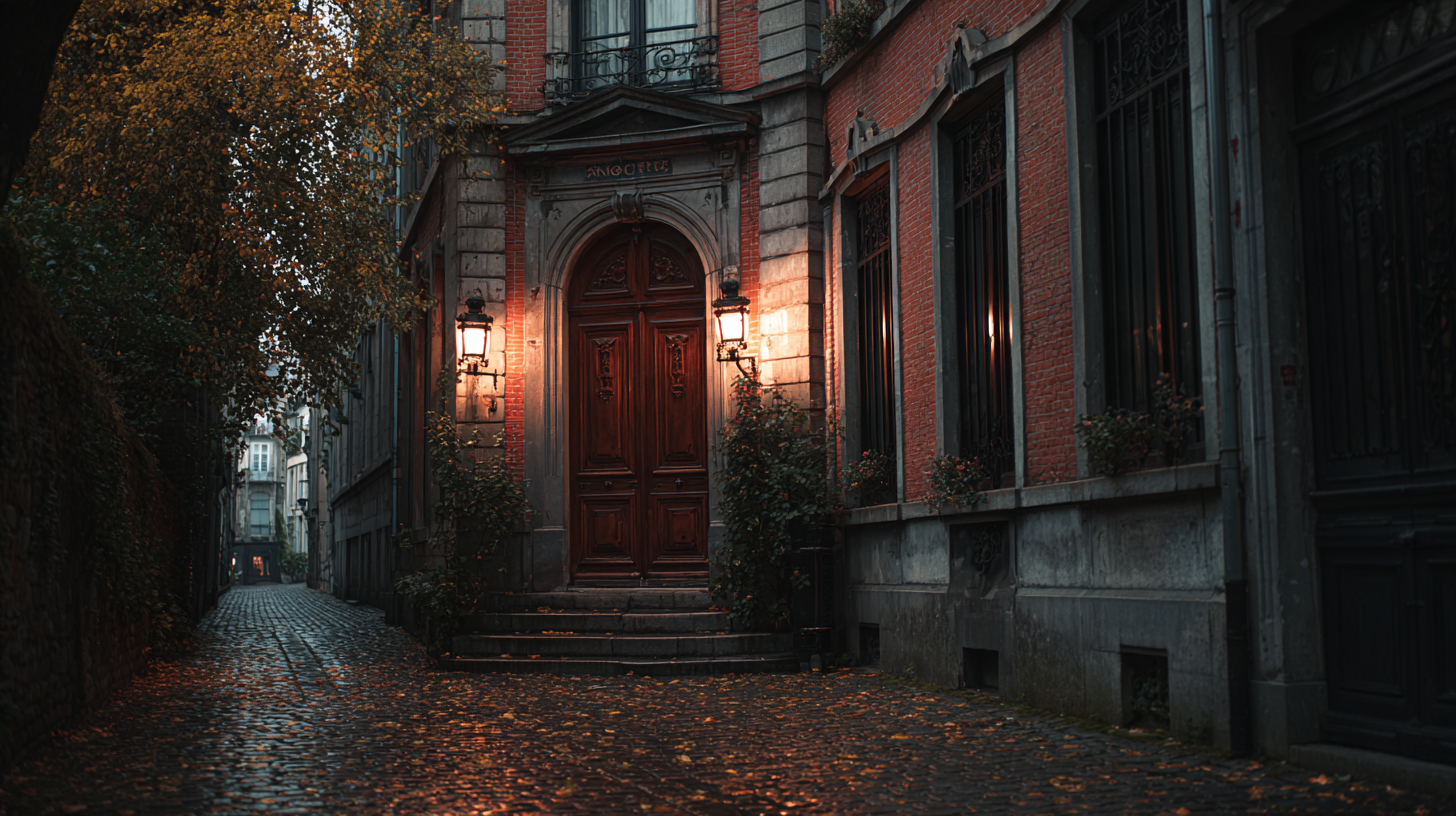
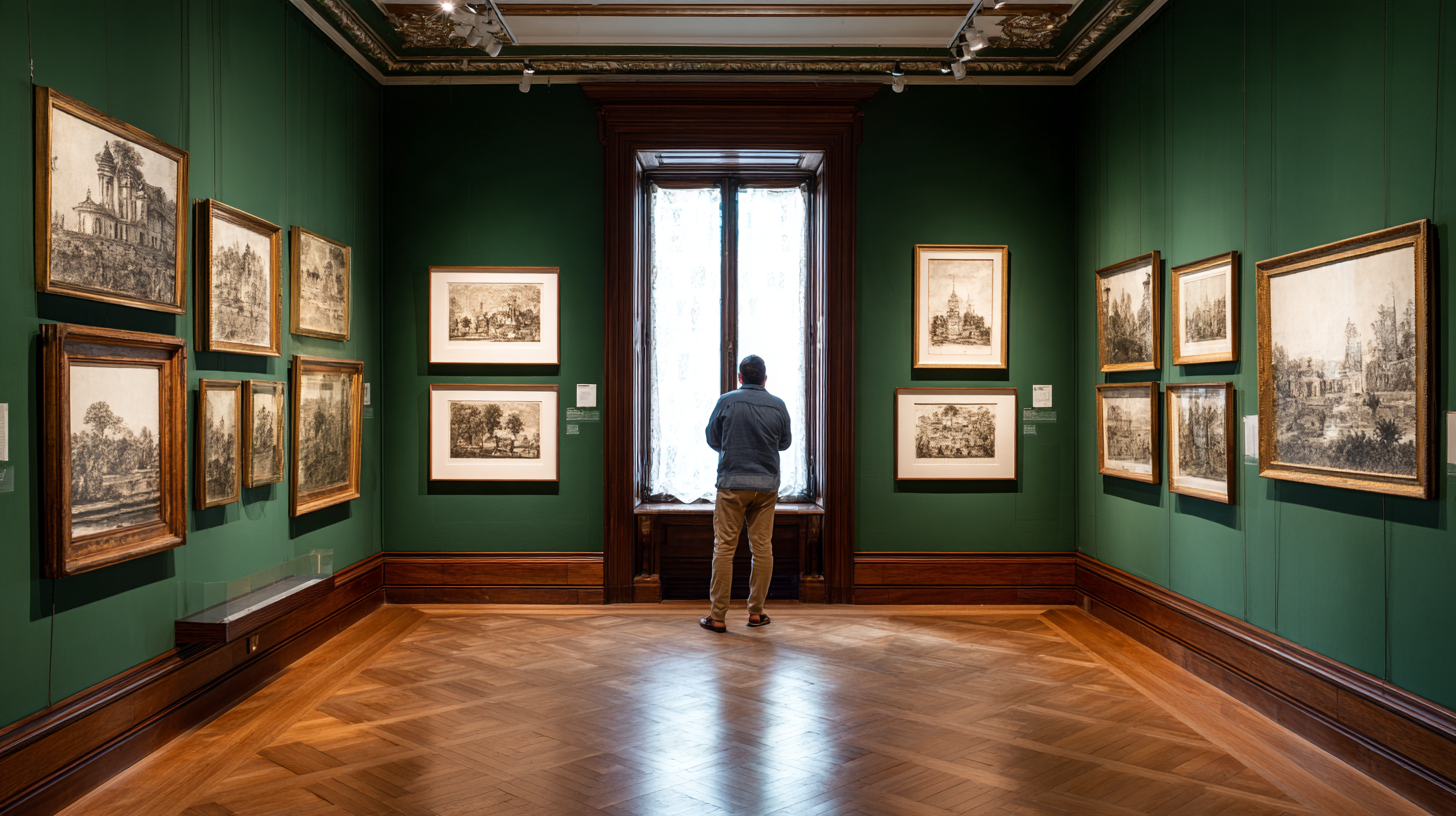
The Félicien Rops Provincial Museum is housed in a building within the pedestrian zone of Namur, at 12 Rue Fumal. Reaching it involves a leisurely stroll through the maze-like streets of the old town, past cobblestones, shop signs, and the aroma of coffee drifting from outdoor terraces. It is the kind of place that invites hushed tones: drawings, engravings, and rare books are displayed in an atmosphere perfectly suited for careful, attentive observation.
An expanding collection
The museum has recently acquired an exceptional addition: the collection of Victor Arwas (1937–2010)—a renowned London-based art dealer and scholar—which comprises 550 drawings, prints, and rare books by Rops. A selection of 130 of these pieces was featured in an exhibition titled Collecting, held from April 11 to September 27, 2026. Although this temporary exhibition has since concluded, the collection has now become a significant part of the museum’s permanent holdings, adding a new layer of depth to the visitor experience.
Furthermore, the museum offers a new audio guide featuring a voice recreated via artificial intelligence—that of Victor Arwas himself. It is an original, and perhaps slightly dizzying, way to have the artworks described by the very man who cherished them.
An online game for the curious
Those with a playful side will enjoy the website ropslettres.be: you can curate a virtual collection of works you would love to own, after which Rops himself writes to you—revealing what kind of collector you are. It’s a charming concept that serves as a delightful prelude to your visit.
Why Rops Still Fascinates
Rops possesses a rare quality: even more than a century after his death, he continues to divide opinion. Some see him as a provocateur, others as a moralist in disguise; yet all acknowledge the virtuosity of an engraver who wielded etching and aquatint with the precision of a surgeon. His prints, imbued with the spirit of the Symbolists, are captivating for their blend of biting irony and melancholy. They have inspired generations of illustrators and fueled the imaginations of writers who—on both sides of the border—embraced him as a kindred spirit.
A Namur Native’s Perspective on the World
Running through Rops’s body of work is a subtle thread that leads back to the land of his childhood. Born in Namur, he spent the early years of his marriage at the Château de Thozée in Mettet—an estate belonging to his wife’s family, which was even visited by Baudelaire himself. The countryside around Namur, its peasants, and its village festivals surface in his early prints, long before Paris provided him with more scandalous subject matter. This adds a unique flavor to your visit: as you step into the museum, you encounter a man from Namur who never truly severed his ties to his native Meuse valley.
A visit at your own pace
The museum is housed in a building in the old town—a place to take your time and contemplate works that reward a closer look. Print enthusiasts can satisfy their curiosity regarding technical craft, families will find plenty to spark questions (“Why did he draw that?”), and casual weekend strollers will discover a peaceful haven in the heart of the city.
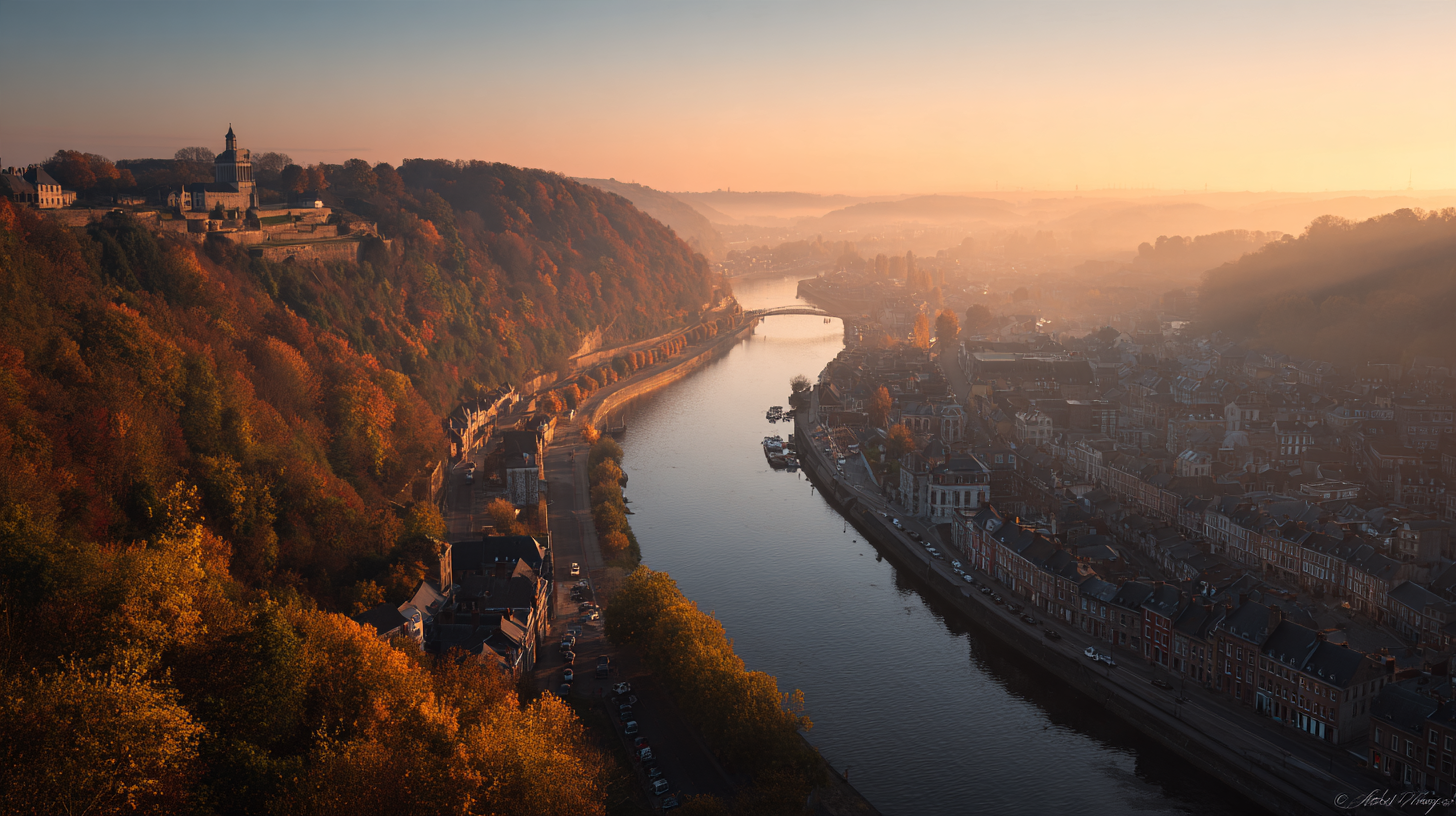
Namur throughout the day: from Rue Fumal to the Citadel
Namur is more than just its museums—that is the true charm of a getaway here. Just a stone’s throw from Rue Fumal, the old town unfolds with its narrow streets, artisan shops, and inviting places to dine. As for the Citadel, which keeps watch over the confluence of the Sambre and Meuse rivers, it offers—on a clear day—one of the most beautiful panoramas in Wallonia. We previously featured it in our article, “Namur in Summer: At the Top of the Citadel, the Soul of Wallonia.”
If the city captures your heart, it’s worth noting that Namur is also a hub for the kind of cinema we love at Bonsoy. Take a look at our piece on the International Francophone Film Festival, or, for something closer to nature, our feature on the Namur Nature Festival.
A Program for the Day
- Morning — Depart from Hastière and travel through the Meuse Valley (approx. 55 minutes). Enjoy a coffee in the town square, then visit the museum—which opens at 10:00 AM—allowing a good two hours for your tour.
- Midday — Lunch in the old town, just a stone’s throw from the museum: choose a local brasserie, enjoy a seasonal menu, and finish with a café gourmand (coffee served with a selection of miniature desserts).
- Afternoon — Take a walk up to the Citadel, or wander through the charming shopping streets. The museum remains open until 6:00 PM (last entry at 5:00 PM).
- Evening — Return to Le Bonsoy, following the Meuse River as dusk falls, then spend a cozy evening relaxing by your bungalow.
A tip from Le Bonsoy: plan your visit for the first Sunday of the month, when admission to the museum is free. Upcoming dates: November 1st and December 6th.
Extend your cultural getaway
A day dedicated to art and the Meuse River naturally calls for a follow-up. In Dinant—about twenty minutes from Le Bonsoy—you can explore our trail featuring eight murals along the banks of the Meuse, or climb the 408 steps to the Citadel of Dinant to take in the view of the collegiate church bathed in autumn light. For a more delicious experience, discover the story behind the “couque de Dinant”—a biscuit that isn’t meant to be bitten into.
Practical Information
| Location | Félicien Rops Provincial Museum — Rue Fumal 12, 5000 Namur |
|---|---|
| Telephone | +32 81 77 67 55 |
| Website | museerops.be |
| Opening Hours | Tuesday to Sunday, from 10:00 AM to 6:00 PM (last entry at 5:00 PM). Closed on December 24, 25, and 31, and January 1. |
| Admission Fees | Standard rate: €8; reduced or group rate: €4. Free admission for: children under 12, schools from the Wallonia-Brussels Federation, “Article 27” scheme participants, and on the first Sunday of the month. |
| Guided Tour | 1 hour, by reservation, €60 (+ admission fees), maximum 20 people. |
| From Le Bonsoy | Approximately 55 minutes by car. |
Admission fees and opening hours provided by the museum; we recommend confirming these details before your visit.
Stay in the heart of the Belgian Ardennes
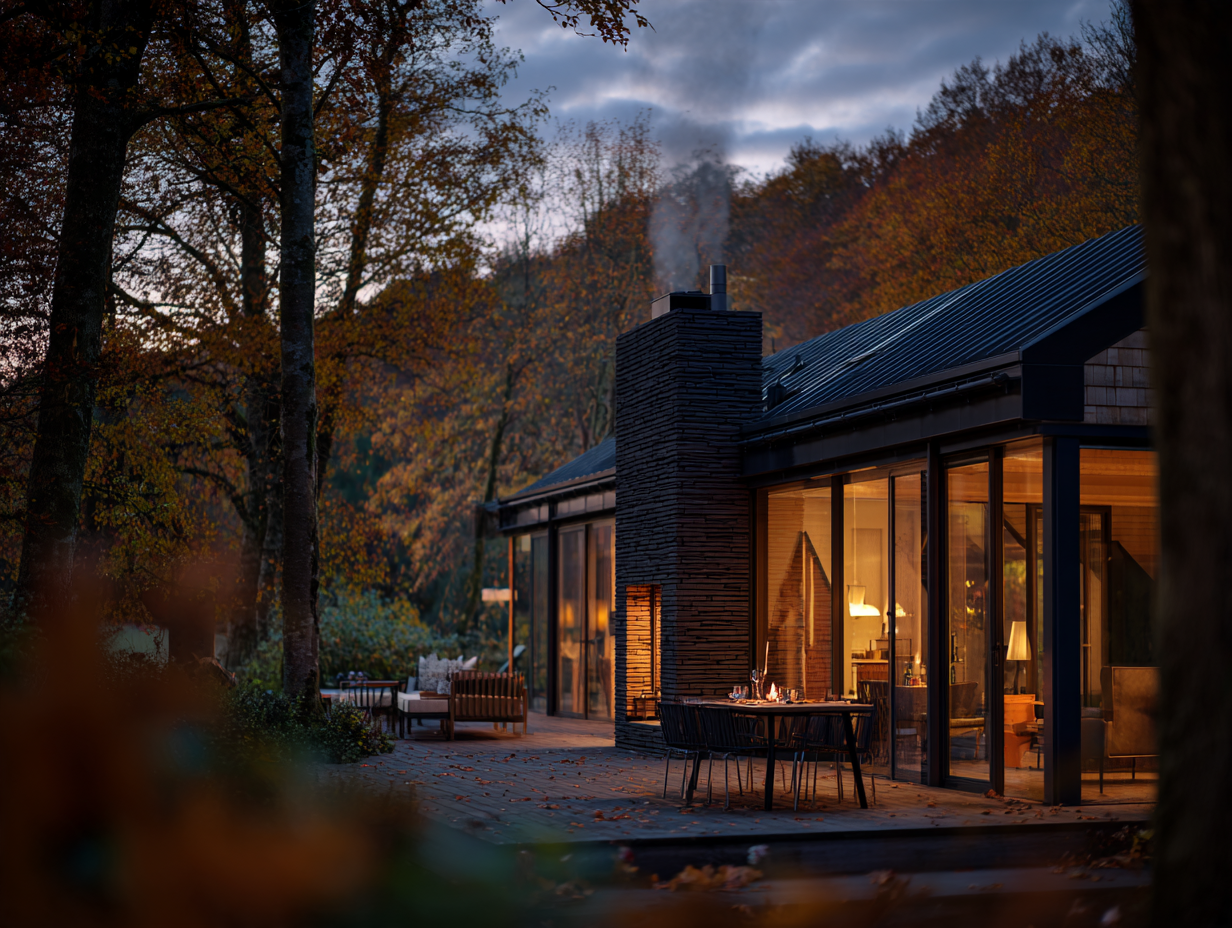
After a day spent at a museum, nothing beats the warmth of a wooden chalet. Our Woody Lodge awaits you in the heart of the Domaine du Bonsoy, perfect for long, cozy evenings. Your next cultural getaway begins here: book your stay at Bungalows du Bonsoy, and let the Meuse River tell the rest of the story.