
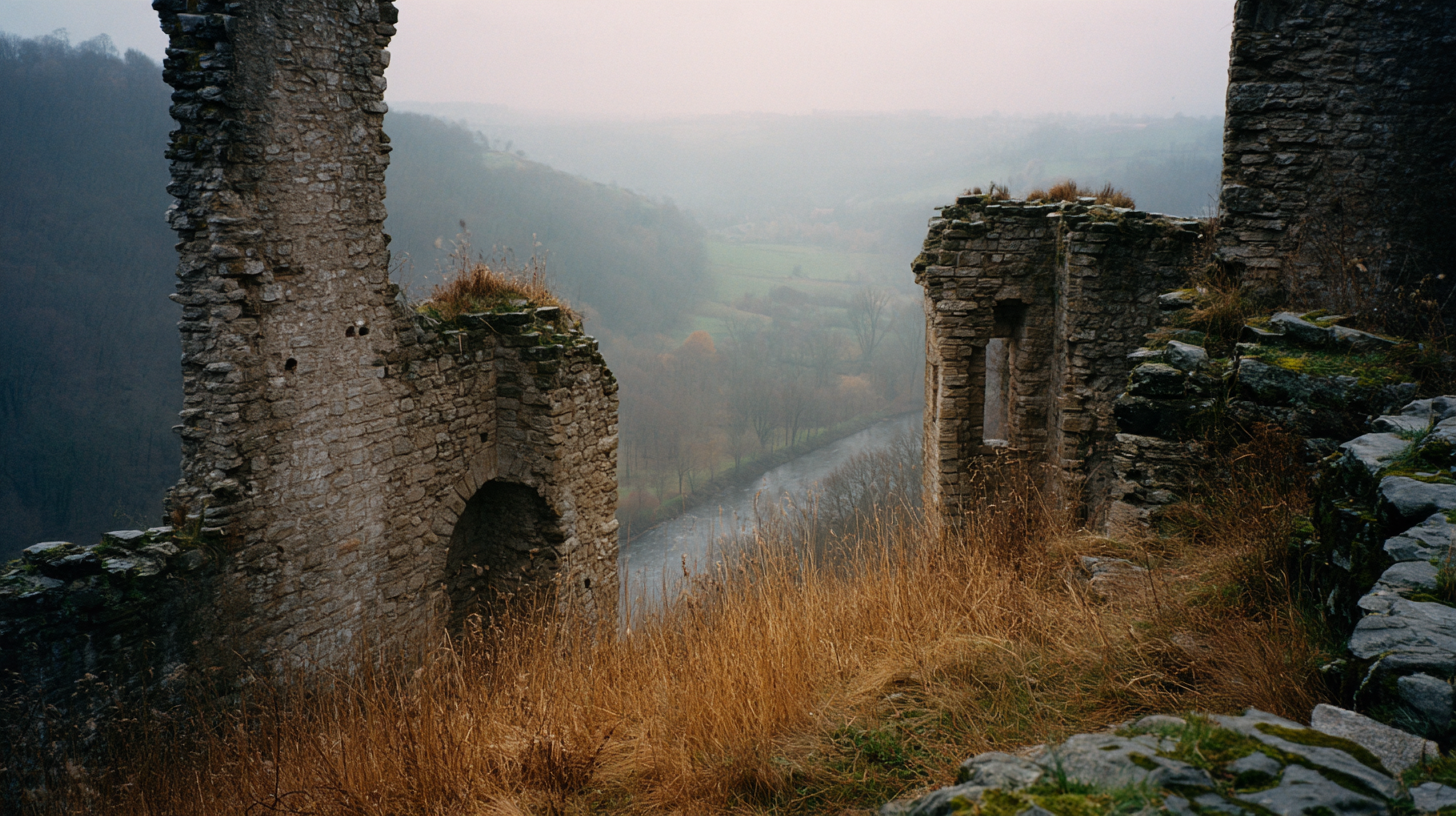
Poilvache: two and a half hectares of the Middle Ages overlooking the Meuse
Thirty-five minutes from the Bonsoy Bungalows lies a place that most travelers pass by without noticing. You drive toward Dinant, following the Meuse River, and look up at the rocky outcrop towering over the village of Houx, yet nothing stands out: just trees, a limestone face, and a patch of dry grassland clinging to the slope. Nothing that looks like a castle.
And yet, eighty meters above the river, the ruins of Poilvache await. They comprise two and a half hectares of walls, truncated towers, cellars, and cisterns—a site maintained and opened to visitors for some thirty years by the non-profit association The Friends of Poilvache It is billed as the largest medieval fortress in the Meuse Valley. That is a bold claim, but once you have walked the perimeter, you understand the reasoning: this was no isolated keep, but a small fortified town.
Autumn is arguably the best time to make the climb. As the leaves fall and the vegetation recedes, the stonework becomes clearly visible once more.
A fortress, a provostship, and a war over a cow
Poilvache was built in the 13th century on a promontory that had been occupied long before. It controlled a strategic stretch of the Meuse River and served as the seat of a provostship that administered more than fifty surrounding fiefs. The provost dispensed justice there—high, middle, and low—meaning he held authority ranging from minor matters up to the power of life and death.
The name always intrigues visitors. It is generally linked to the War of the Cow—a conflict in the Condroz region during the late 13th century that, according to chronicles, was sparked by the theft of a cow in Jallet. Historians remain cautious about this etymological connection. What is certain, however, is that the square also bore the name Emerald—a name that the historical reenactment groups camping on the site each summer have retained.
The end of its history is better documented: in 1430, the people of Liège and Dinant captured the fortress and dismantled it. It was never rebuilt. It is these abandoned walls that visitors walk along today—walls regularly stabilized through restoration projects carried out using traditional methods, employing lime and original techniques.
An archaeologist from the Walloon Heritage Agency still conducts guided tours of the site. His conclusion, after years of excavation, can be summed up in a single sentence: Poilvache remains—and will always remain—a place waiting to be discovered.
What you actually see on site
Let’s be honest: don’t expect vaulted halls or a drawbridge. Poilvache is a ruin, and that is precisely what makes it interesting. Here, you read a ground plan rather than an architectural structure.
- Nine towers distributed along the perimeter wall—most razed to human height, though a few still stand several meters tall.
- A section of wall from a large medieval house, giving a sense of the scale of the original structure.
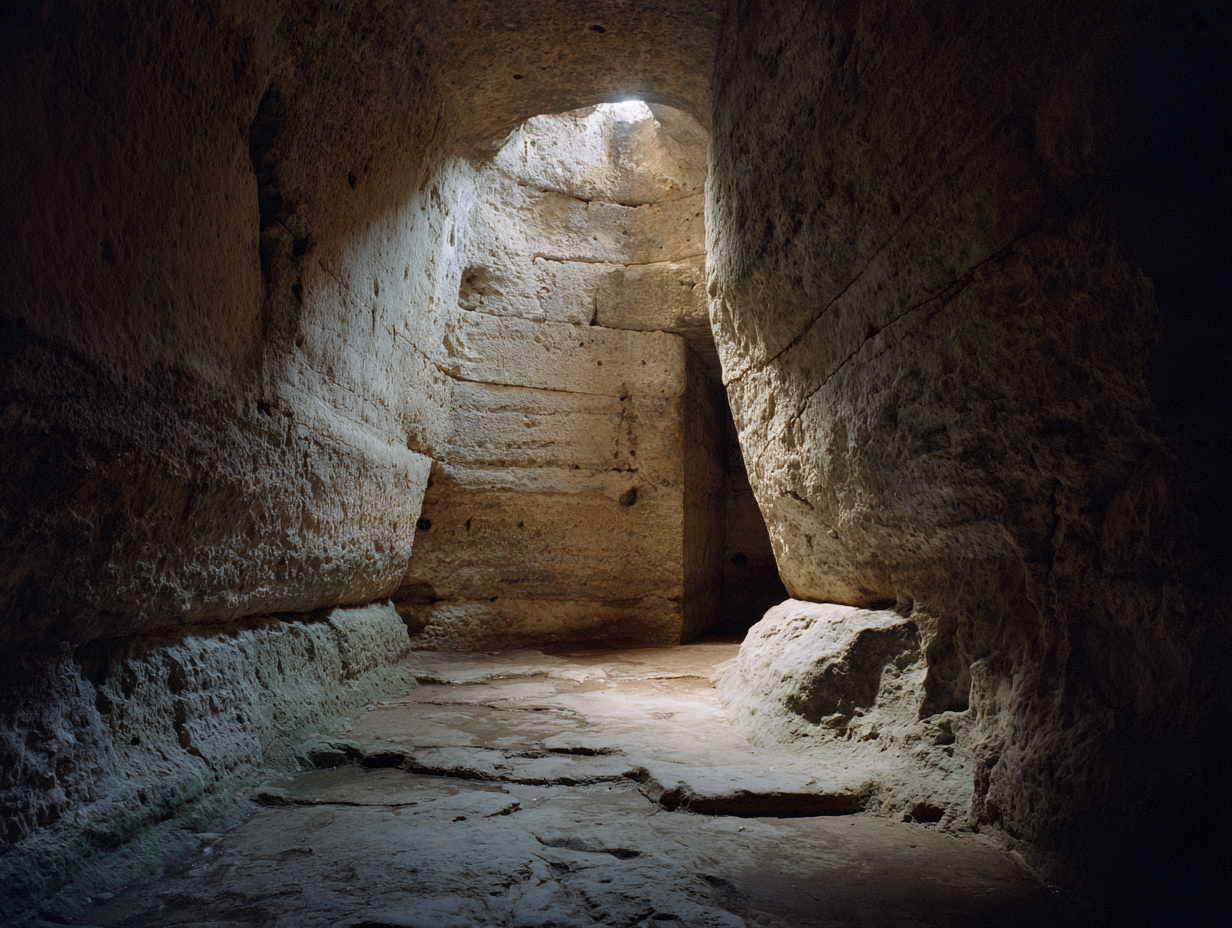
- A well and remarkably well-preserved cellar-cisterns carved into the rock.
- A stratigraphic wall at the Study Centre, illustrating how archaeologists date layers of occupation.
- Gardens reconstructed according to medieval practices.
And then there is the view. From the tip of the spur, the Meuse River winds its way between the Yvoir bridge and the ruins of Crèvecœur in Bouvignes. VISITWallonia ranks this viewpoint among the finest in the Namur region, alongside the Sept Meuses and the Chaleux Needles. If you have already read our article on Bouvignes and the Crèvecœur fortress, you will be able to spot it with the naked eye, further downstream.
A nature reserve as well as an archaeological site
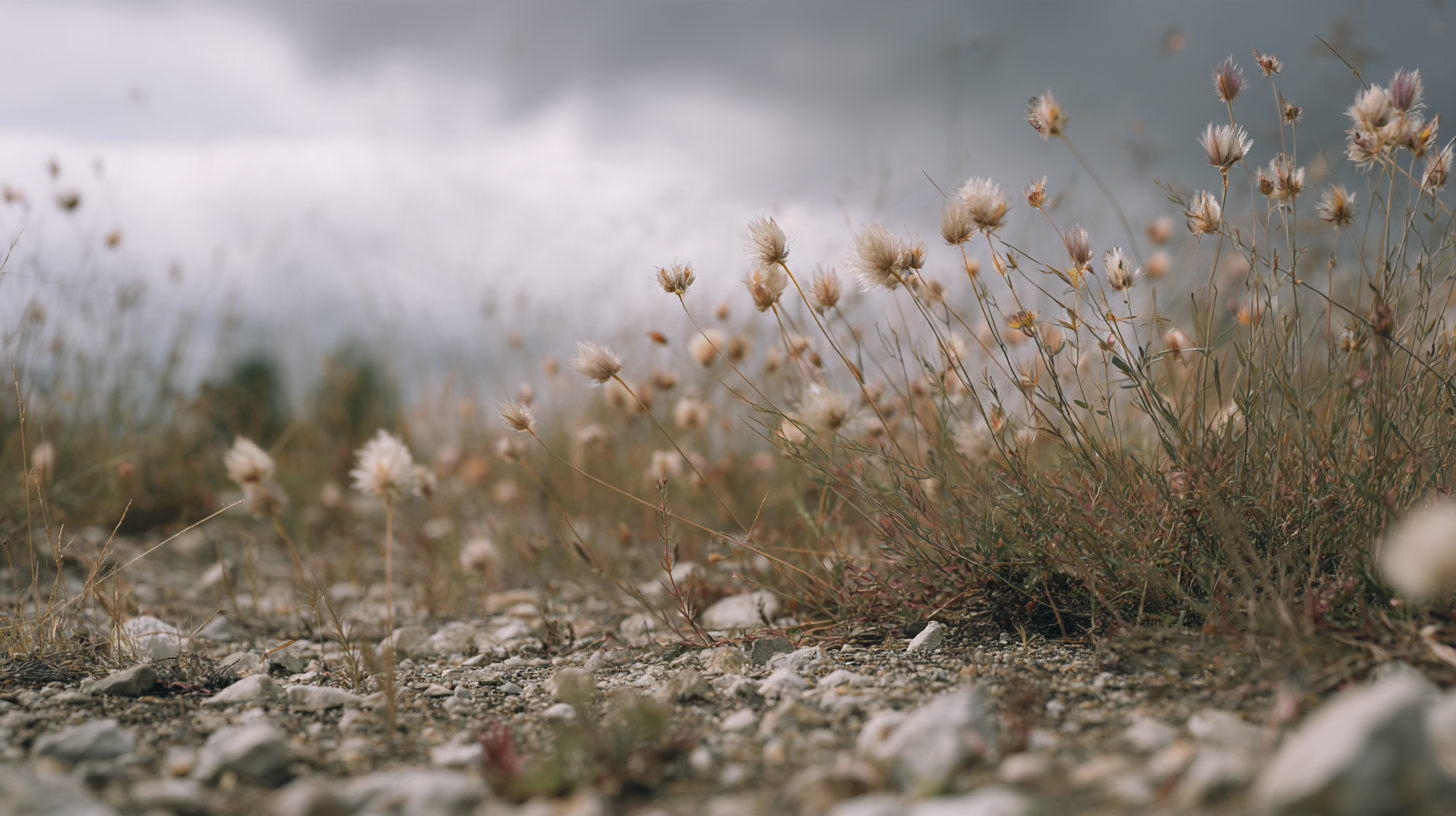
It is often overlooked that the ruins are situated within the Champalle-Poilvache State Nature Reserve. The calcareous grassland covering the plateau is home to dry-habitat flora with a Mediterranean appearance, similar to that found at Furfooz. In September, the vegetation takes on the color of hay. Nature-focused excursions can be arranged upon request, covering both the site itself and the surrounding area.
Getting there: four ways, including one by boat
Poilvache is set in the heart of nature, and the journey there is part of the visit.
By car
From Hastière, head up the Meuse valley past Dinant to Yvoir, then climb towards Spontin. At the top of the hill, near the village of Evrehailles, a small country lane branches off to the right, leading you to the car park after two kilometers. From the E411 motorway, take exit 19 (“Spontin”) and follow signs for Yvoir for about ten kilometers.
A tip from the site managers that is well worth following: park in the designated meadow along the lane before entering the woods. This keeps the way clear for emergency vehicles—a crucial detail on a narrow forest track.
On foot
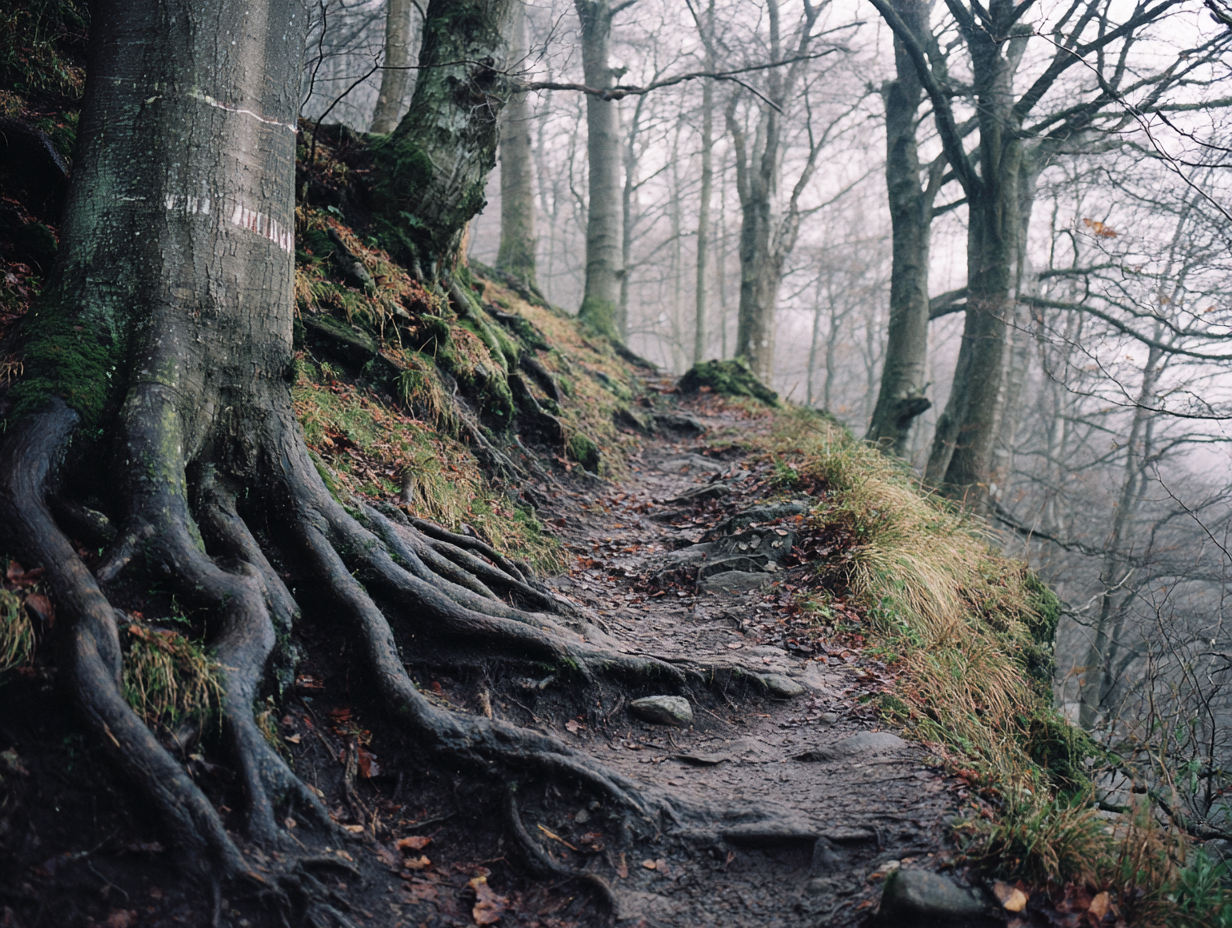
This is the most scenic approach. Two marked trails lead up: one from Evrehailles and the other from Houx, in the valley. The latter is a steep climb—starting from the level of the Meuse River—but the reward is well worth the effort. A PDF map can be downloaded from the association’s website, and the GPX track is available on Sitytrail. The GR 126 long-distance trail passes right by the site entrance.
By train, bike, or boat
Yvoir train station is located on the Brussels-Namur-Dinant line. The Meuse and Molignée RAVeL greenways pass right at the foot of the climb: if you are planning a ride along EuroVelo 19, Poilvache makes for a very reasonable vertical detour. For boaters, there is a river stop on Yvoir Island and a possible mooring point downstream of the Houx lock.
When to visit and for how long
The site is open every weekend and public holiday from early April to the end of October, as well as every day during Walloon school holidays—meaning, again this year, from October 19 to 30, 2026. The gates open at 10:30 AM and close at 6:00 PM.
Allow 45 minutes to an hour for a self-guided tour. A printed guide is provided to each visitor, and QR codes are placed throughout the site. For groups of at least ten people, a two-hour guided archaeological and historical tour can be booked two weeks in advance.
| Category | Price |
|---|---|
| Adult | €4 |
| Senior, student, ages 12–18 | €2 |
| Child under 12 | Free |
| Guided tour (group of 10 min., by reservation) | €5 / adult |
| Member of the Friends of Poilvache | Free |
Two things to note before you go. The site is not accessible to people with reduced mobility: the terrain is uneven and sloping, covered with grass and stones. On the other hand, dogs on leashes are welcome—something not often found at a heritage-listed site—making this a great addition to our guide to dog-friendly walks.
A day around Poilvache
- Morning. Depart Bonsoy around 9:30 AM. Stop in Dinant for coffee and a few supplies, then head up to Evrehailles. The gates open at 10:30 AM: you’ll be among the first to arrive, just as the mist is lifting from the valley.
- Midday. Picnic on the limestone lawn overlooking the Meuse River. There are no permanent dining facilities on-site outside of special event days, so be sure to pack a hamper.
- Afternoon. Walk back down to Houx, then hike back up the same trail—or, if you prefer to drive, head for the Molignée Valley, located just fifteen minutes from Yvoir.
- Evening. Return to the estate before nightfall. In September and October, the stag’s rutting call echoes through the surrounding woods—another great reason to have an early dinner and step outside to listen.
Practical Information
- Location: Medieval ruins of Poilvache, above Houx, in the municipality of Yvoir (5530).
- GPS coordinates: 50°18’19.5”N — 4°54’5.6”E
- Telephone (site opening hours): +32 460 959 164
- Reservations and information: +32 82 61 36 82 (FR) or +32 473 653 015 (FR / NL / EN)
- Website: poilvache.com
- Opening times: Weekends and public holidays from April to the end of October; every day during Walloon school holidays. 10:30 AM to 6:00 PM.
- Admission: €4 adults, €2 reduced rate, free for children under 12.
- Duration: 45 to 60 minutes for a self-guided tour, 2 hours for a guided tour.
- Parking: Cars, motorcycles, and bicycles at the entrance; coach parking approximately 200 meters away.
- Distance from Domaine du Bonsoy: Approximately 30 km, or a 35-minute drive.
- Accessibility: Not accessible to people with reduced mobility. Dogs allowed on a leash.
From your bungalow
A trip to Poilvache is the kind of outing you decide on that very morning, simply by looking at the sky. With a ninety-minute round-trip drive and a one-hour visit, it is the perfect half-day autumn excursion—leaving you plenty of time to enjoy the forest and the wood stove for the rest of the day.
The Woody Lodge, with its cozy chalet atmosphere and comfortable kitchen, is ideally suited for this: you return from Poilvache with muddy boots, put the kettle on, and the day slips by before you know it. Details on our other accommodations at the Domaine du Bonsoy can be found on the blog, particularly in our article on using the site as a base camp for exploring the castles of the Meuse Valley.
The season at Poilvache draws to a close at the end of October. If the idea of a medieval getaway in the Upper Meuse region appeals to you, now is the time. Check availability and book your stay — we’ll be happy to show you the best route from Houx.